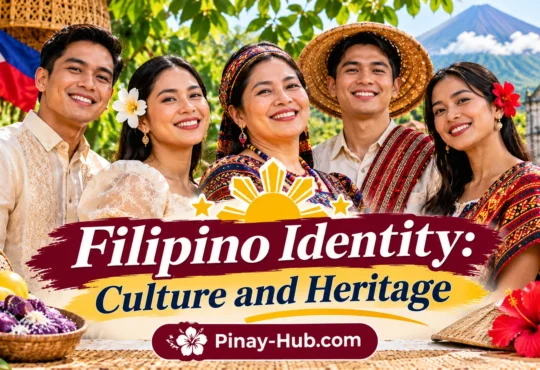
The word Pinay is commonly used to describe a Filipino woman and is closely connected with Filipino identity, heritage, and cultural pride. People searching for the term may encounter it in conversations, social media posts, cultural discussions, and online communities. However, understanding what Pinay means involves more than knowing its basic definition. The word also reflects how Filipino women identify themselves and maintain connections with their cultural roots.
The term is widely recognized in the Philippines and among Filipino communities living abroad. It appears in discussions about traditions, family, representation, and the experiences of women with Filipino heritage.
Understanding the meaning of Pinay also helps explain related terms such as Pinoy and Filipino. This guide explores the definition, cultural background, modern usage, and importance of the word in Filipino society.
What Does Pinay Mean?
Pinay means a Filipino woman. It is an informal term commonly used to describe a woman from the Philippines or a woman of Filipino heritage. The word is widely recognized in everyday conversations and online discussions.
The term is closely associated with Filipino identity and can express a connection with the Philippines, its culture, and its traditions.
For example, someone might use the word Pinay when talking about:
-
A woman born and raised in the Philippines.
-
A woman with Filipino parents or family heritage.
-
Filipino women living in other countries.
-
Women who identify with Filipino culture and traditions.
The meaning can depend on the context in which it is used. Some people use Pinay as a simple cultural identifier, while others use it to express pride in their Filipino background.
Importantly, being Pinay does not mean that every woman shares the same experiences, language, traditions, or lifestyle. Filipino identity includes considerable regional and personal diversity.
Understanding the Origin and Background of the Term Pinay
The word Pinay developed as part of informal Filipino language usage. It is the feminine counterpart of Pinoy, a familiar term associated with Filipino identity.
Both expressions are commonly used in conversations, media, entertainment, and community discussions.
Over time, Pinay became widely recognized as a way to refer to Filipino women, including those living outside the Philippines.
The word is also connected with the broader development of Filipino cultural identity. As Filipino communities expanded internationally, familiar cultural expressions continued to appear in conversations among people living in different countries.
Today, Pinay is used in various settings, including:
-
Everyday conversations among Filipinos.
-
Social media profiles and online communities.
-
Discussions about Filipino culture and heritage.
-
Publications highlighting Filipino women.
-
Cultural events and community activities.
The term has become a recognizable part of contemporary Filipino identity.
What Is the Difference Between Pinay and Pinoy?
Pinay and Pinoy are related terms, but they are commonly used in different ways.
| Term | Common meaning |
|---|---|
| Pinay | Filipino woman |
| Pinoy | Filipino person, often used for a Filipino man |
| Filipina | A woman from the Philippines or of Filipino descent |
| Filipino | A person from the Philippines or of Filipino heritage |
The word Pinoy can refer to Filipino identity more broadly, although it is often used specifically for men in everyday language. Pinay is its commonly recognized feminine counterpart.
For example:
-
A woman born in Manila may describe herself as Pinay.
-
A Filipino man living in Canada may identify as Pinoy.
-
A family living overseas may describe themselves as Filipino.
These expressions are informal and familiar in Filipino communities. Their use can vary depending on the speaker, audience, and cultural setting.
Pinay and Filipino Cultural Identity
Filipino identity is shaped by history, language, family traditions, regional cultures, and shared experiences. The word Pinay is one expression of this identity, particularly when discussing Filipino women.
The Philippines has many cultural communities, languages, and traditions. Someone from Cebu may have different regional customs from someone raised in Manila, Bicol, or Ilocos. These differences are part of the country’s cultural diversity.
Filipino Heritage and Traditions
Filipino heritage includes several cultural elements:
-
Family connections: Family relationships and support play an important role in many Filipino households.
-
Languages: Filipino communities use languages such as Filipino, Cebuano, Ilocano, Hiligaynon, and many others.
-
Food: Traditional dishes such as adobo, sinigang, and pancit reflect different regional food traditions.
-
Celebrations: Festivals, religious occasions, and family gatherings provide opportunities to maintain cultural connections.
-
Arts and creativity: Music, dance, literature, crafts, and visual arts contribute to Filipino cultural expression.
These traditions are not identical across every Filipino family. Cultural practices can change depending on location, generation, and personal experiences.
Filipino Women and Their Contributions
Filipino women contribute to different areas of society, including education, healthcare, business, technology, government, and creative industries.
Their experiences also differ considerably. Some work in the Philippines, while others study, build careers, or raise families in different countries.
Recognizing these contributions helps create a broader understanding of Pinay identity beyond simple cultural labels.
How Is the Term Pinay Used in Modern Society?
The word Pinay appears in everyday conversations, online publications, entertainment, and social media.
Many women use it to describe their cultural background or connection with the Philippines. It can also appear in discussions about representation, community experiences, and Filipino achievements.
Social Media and Online Discussions
Social media has made it easier for Filipino communities to share cultural experiences with international audiences.
People may use Pinay in:
-
Social media biographies and personal introductions.
-
Discussions about Filipino traditions.
-
Posts celebrating Filipino women’s achievements.
-
Cultural storytelling and community conversations.
-
Articles about Filipino heritage and identity.
However, the meaning of a cultural term should always be understood in context. Not every person with Filipino heritage chooses to identify using the same terminology.
Pinay in Entertainment and Media
The term also appears in discussions about Filipino actresses, musicians, writers, entrepreneurs, and other public figures.
Media coverage can help introduce international audiences to Filipino culture and the achievements of Filipino women.
Pinay Identity Among Filipinos Living Abroad
Filipino communities exist across many parts of the world. Women living outside the Philippines may continue to identify as Pinay while developing new experiences in their adopted countries.
For some, this connection comes through family traditions, language, food, and relationships with relatives in the Philippines.
For others, it develops through cultural organizations, community events, friendships, and online discussions.
Research on Filipino migrant families has also examined how speaking Filipino languages, visiting the Philippines, and preparing traditional food can help younger generations maintain connections with their heritage.
A person does not necessarily need to live in the Philippines or speak a particular Filipino language to have Filipino heritage. Cultural identity can remain meaningful across generations and geographical boundaries.
Common Misunderstandings About the Word Pinay
Although Pinay is a familiar term, several misunderstandings can arise when people encounter it.
1. Assuming Pinay Refers to Every Filipino Person
Pinay generally refers to a Filipino woman. It should not automatically be used as a general label for every Filipino person.
2. Thinking Every Pinay Has the Same Background
Filipino women come from different regions, families, and cultural environments. Their experiences and personal identities are not identical.
3. Assuming Pinay Only Refers to Women Living in the Philippines
The term can also describe women of Filipino heritage who live abroad.
4. Confusing Pinay With a Formal Nationality Term
Pinay is an informal cultural expression. Filipina is another widely used term for a woman from the Philippines or of Filipino descent.
5. Ignoring the Importance of Context
The term is commonly used positively as a self-identifier, but language can carry different meanings depending on who uses it and how. It is best to respect individual preferences rather than assume everyone wants the same label.
Why Understanding Pinay Identity Matters
Understanding the meaning of Pinay helps readers recognize the relationship between language, heritage, and cultural identity.
It also encourages greater awareness of Filipino women’s experiences and contributions.
For international readers, learning the meaning of Pinay and related terms provides a useful starting point for understanding Filipino communities.
For Filipinos living abroad, cultural expressions can help maintain connections with family history and traditions.
Pinay Hub explores topics connected with Filipino identity, culture, lifestyle, and community interests, helping readers discover information about these subjects.
Conclusion
Pinay is an informal term commonly used to describe a Filipino woman or a woman of Filipino heritage. Although its basic meaning is straightforward, the word also carries cultural significance connected with identity, heritage, and community.
Understanding the difference between Pinay, Pinoy, Filipina, and Filipino helps readers use these expressions appropriately. It also highlights the diversity of Filipino experiences in the Philippines and around the world.
Filipino identity is not limited to one language, region, or lifestyle. Every woman’s experience is different, and that diversity is an important part of understanding what it means to be Pinay.
Frequently Asked Questions About Pinay
1. What does Pinay mean?
Pinay is an informal term used to describe a Filipino woman or a woman of Filipino heritage. It is commonly used in conversations about Filipino identity, culture, and community.
2. What is the difference between Pinay and Pinoy?
Pinay generally refers to a Filipino woman, while Pinoy is an informal term associated with Filipino identity and is often used for Filipino men.
3. Is Pinay an informal Filipino term?
Yes. Pinay is an informal expression commonly used in Filipino conversations, cultural discussions, social media, and online communities.
4. Can a Filipino woman living abroad be called Pinay?
Yes. A Filipino woman living outside the Philippines may identify as Pinay because the term is associated with Filipino heritage rather than a person’s current location.
5. What is the difference between Pinay and Filipina?
Both terms can describe a woman from the Philippines or of Filipino descent. Pinay is generally more informal and conversational, while Filipina is widely used in formal and general writing.
6. Is Pinay connected to Filipino culture?
Yes. The term is associated with Filipino identity and can appear in discussions about traditions, language, family, heritage, and cultural experiences.
7. Can someone of Filipino descent identify as Pinay?
Yes. Women with Filipino ancestry may identify as Pinay, including those born and raised outside the Philippines. Personal identity and individual preferences should always be respected.
8. How is Pinay used on social media?
People use Pinay in social media profiles, cultural discussions, personal stories, community posts, and content celebrating Filipino women’s identities and achievements.
9. Why is understanding Pinay identity important?
Understanding Pinay identity helps people appreciate Filipino heritage, recognize cultural diversity, and learn about the experiences and contributions of Filipino women.