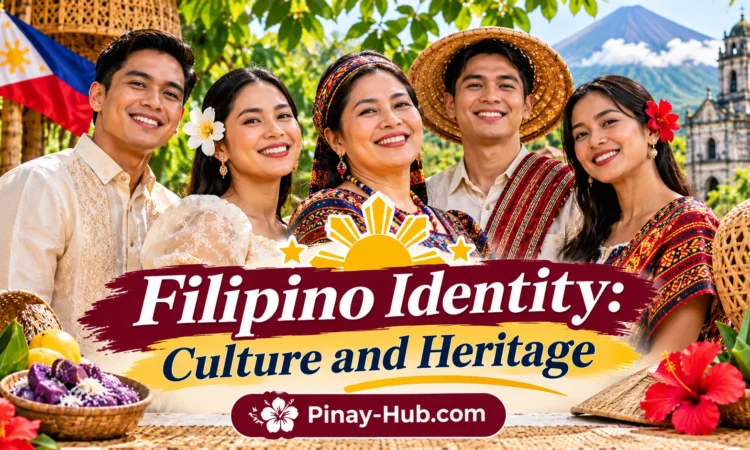
Understanding Filipino identity involves more than knowing someone’s nationality. It also means exploring the traditions, values, languages, food, celebrations, and social experiences that connect Filipino communities across generations.
From traditional practices passed down through families to modern lifestyles influenced by technology, education, and international opportunities, Filipino culture continues to evolve. This guide explores the meaning of Filipino identity, its historical background, cultural heritage, and its place in modern society.
What Is Filipino Identity?
Filipino identity refers to the shared cultural, historical, national, and social connections associated with the people of the Philippines. It includes the customs, languages, traditions, experiences, and values that influence how individuals understand their connection to the country.
However, Filipino identity does not have one fixed definition. The Philippines is home to many ethnic groups, regional communities, and linguistic traditions. People may express their identity differently depending on their family background, location, upbringing, and personal experiences.
For some, Filipino identity is closely connected to speaking Filipino or a regional language. For others, it may involve celebrating traditional festivals, preparing family recipes, following cultural customs, or maintaining relationships with relatives living in the Philippines.
Filipino identity can also extend beyond national borders. People of Filipino descent who grow up overseas may maintain connections with their heritage through family traditions, community events, language, and cultural celebrations.
Understanding the History and Background of Filipino Identity
The history of Filipino identity has developed through centuries of cultural exchange, migration, colonial influence, and social change.
Before Spanish colonization, the Philippine archipelago already had established communities with their own languages, trading networks, social structures, and cultural practices. These communities maintained connections with neighboring parts of Southeast Asia through trade and migration.
Spanish colonization, which began in the sixteenth century, introduced major political, religious, and cultural changes. Spanish influence became visible in architecture, religion, education, naming practices, and several aspects of everyday life.
The nineteenth century brought growing discussions about national identity. Filipino reformists and intellectuals contributed to movements that questioned colonial rule and encouraged a stronger sense of national belonging.
The Philippine Revolution of 1896 and the declaration of independence in 1898 became important milestones in the country’s history. These events contributed to the development of modern Filipino national consciousness.
Later historical periods, including American rule, the Japanese occupation during World War II, and the establishment of the independent Philippine Republic in 1946, also influenced the country’s institutions, education, language, and cultural development.
Today, Filipino identity reflects these historical influences alongside indigenous heritage, regional traditions, and contemporary experiences.
Main Elements of Filipino Culture and Heritage
Filipino culture includes many traditions and practices that have developed through regional communities, historical experiences, religious influences, and interactions with other societies.
Several elements help explain how Filipino heritage is expressed in everyday life.
1. Languages and Regional Diversity
Language is an important part of Filipino cultural identity. Filipino and English are the country’s official languages, while many regional languages are used in homes and local communities.
These include:
-
Tagalog
-
Cebuano
-
Ilocano
-
Hiligaynon
-
Bikol
-
Waray
-
Kapampangan
-
Pangasinan
-
Maguindanaon
The Philippine Statistics Authority’s 2020 Census reported that Tagalog was spoken in approximately 39.9% of households, followed by Bisaya/Binisaya at 16%. Other languages also play important roles in regional communication.
These linguistic differences show why Filipino identity should not be associated with only one language or regional background.
2. Family Relationships and Community Values
Family relationships are an important part of many Filipino households. Parents, children, grandparents, relatives, and extended family members may maintain close connections through regular communication, gatherings, and shared responsibilities.
Some cultural concepts commonly discussed in Filipino society include:
-
Kapwa: A sense of shared identity and connection with other people.
-
Bayanihan: Community cooperation and collective support.
-
Utang na loob: A sense of gratitude and reciprocal responsibility.
-
Pakikipagkapwa: Treating others with consideration and recognizing shared humanity.
These concepts provide insight into Filipino social relationships, although their expression varies between families and communities.
3. Food and Traditional Cuisine
Food is another important part of Filipino heritage. Traditional dishes often reflect regional ingredients, family recipes, and historical influences.
Some widely recognized Filipino dishes include:
-
Adobo: Meat cooked with vinegar, soy sauce, garlic, and seasonings.
-
Sinigang: A sour soup commonly prepared with vegetables and different protein ingredients.
-
Pancit: Noodle dishes prepared in various regional styles.
-
Kare-kare: A savory stew traditionally served with a peanut-based sauce.
-
Lechon: Roasted whole pig commonly associated with celebrations.
Recipes and preparation methods differ across regions and households. Family meals can also provide opportunities to share traditions and pass recipes between generations.
4. Festivals and Cultural Celebrations
Festivals provide opportunities for communities to celebrate local history, religion, arts, music, and traditions.
Some well-known celebrations include:
-
Sinulog Festival: Celebrated in Cebu in honor of the Santo Niño.
-
Ati-Atihan Festival: A major cultural and religious celebration in Kalibo, Aklan.
-
Panagbenga Festival: A flower festival held in Baguio City.
-
Pahiyas Festival: A harvest celebration in Lucban, Quezon.
-
Kadayawan Festival: A celebration of cultural diversity and harvest traditions in Davao City.
These celebrations reflect the cultural variety of the Philippines rather than one uniform national tradition.
5. Religion, Beliefs, and Spiritual Traditions
Religion has influenced many aspects of Philippine history and cultural life.
Christianity, particularly Roman Catholicism, has a significant presence in the country. Islam is also an important part of Filipino heritage, especially in parts of Mindanao and the Bangsamoro region. Indigenous belief systems and other religious traditions contribute to the country’s diversity.
Religious practices may influence holidays, family celebrations, community events, and personal values. However, not all Filipinos follow the same religion or express their beliefs in the same way.
Different Regional Identities Within the Philippines
The Philippines is culturally diverse, and regional identity is an important part of understanding its people.
The Philippine Statistics Authority’s 2020 census identified several major ethnic groups, including Tagalog, Bisaya/Binisaya, Ilocano, Cebuano, Ilonggo, Bikol, Waray, and Kapampangan.
Examples of regional cultural identities
| Region or community | Cultural characteristics |
|---|---|
| Luzon | Tagalog, Ilocano, Kapampangan, and other regional traditions |
| Visayas | Cebuano, Hiligaynon, Waray, and diverse island cultures |
| Mindanao | Maranao, Maguindanaon, Tausug, and other communities |
| Cordillera | Indigenous communities with distinct languages and traditions |
Indigenous peoples also contribute significantly to Philippine cultural heritage. Their languages, customary practices, arts, and community histories are important parts of the country’s national identity.
The Indigenous Peoples’ Rights Act of 1997 recognizes protections for indigenous cultural communities and their traditions.
How Filipino Identity Is Expressed in Modern Life
Filipino identity continues to develop as people adapt to changes in education, employment, communication, technology, and international culture.
Modern Filipino life combines traditional practices with new ways of working, learning, and connecting with others.
Technology and Social Media
Digital platforms allow Filipinos to communicate across geographical boundaries and share cultural experiences.
People use social media to discuss Filipino food, music, language, entertainment, travel, and everyday experiences. Online communities can also help younger generations learn about traditions that their families have maintained for many years.
Education and Professional Development
Education plays an important role in modern Filipino society. Students and professionals pursue opportunities in different fields, including healthcare, engineering, business, teaching, research, and technology.
Filipino identity can remain an important part of these experiences, especially for people representing their cultural backgrounds in international workplaces and educational environments.
Business and Entrepreneurship
Entrepreneurship is another area where Filipino communities express creativity and professional ambition.
Small businesses, family enterprises, online shops, food businesses, and creative services provide different opportunities for individuals to develop their skills and participate in economic activity.
Women also contribute to business development through leadership, innovation, and independent professional work.
Modern Entertainment and Creative Expression
Filipino artists, musicians, writers, filmmakers, and digital creators introduce different aspects of Philippine culture to international audiences.
Music, television, cinema, literature, and online entertainment provide opportunities to explore cultural experiences while allowing new creative influences to become part of modern Filipino expression.
Filipino Identity Among Overseas Communities
Filipino identity is not limited to people currently living in the Philippines. Many Filipinos live in different countries and maintain cultural connections through family relationships, language, traditions, and community activities.
Filipino communities abroad may celebrate important occasions such as Christmas, fiestas, family gatherings, and traditional holidays.
For younger generations born outside the Philippines, learning about their heritage can provide a better understanding of their family’s history.
Maintaining Filipino Heritage Abroad
People can maintain connections with Filipino culture by:
-
Learning Filipino or regional languages.
-
Preparing traditional Filipino meals.
-
Participating in Filipino cultural celebrations.
-
Exploring family history and traditions.
-
Reading about Philippine history and regional communities.
-
Connecting with relatives and Filipino cultural organizations.
These activities help preserve cultural knowledge while allowing individuals to develop their own understanding of Filipino identity.
Challenges in Preserving Filipino Cultural Identity
Modernization, migration, changing lifestyles, and generational differences can influence how people connect with their cultural backgrounds.
Some common challenges include:
1. Language Differences
Filipinos living abroad may gradually become less familiar with regional languages when they primarily use another language at school, work, or home.
2. Generational Differences
Younger generations may have different experiences and perspectives compared with older family members. This can influence how traditions are understood and practiced.
3. Cultural Misrepresentation
Simplifying Filipino culture into a few stereotypes can overlook the country’s regional, ethnic, and religious diversity.
4. Changing Traditions
Some cultural practices change over time as families adapt to modern lifestyles. Preserving heritage does not necessarily mean keeping every tradition unchanged.
How Can People Keep Filipino Heritage Alive?
Preserving Filipino heritage involves learning about cultural history, respecting regional differences, and sharing traditions with future generations.
Practical approaches include:
-
Learn about Philippine history: Explore important historical events and their influence on modern society.
-
Understand regional cultures: Discover the languages, customs, and traditions of different Filipino communities.
-
Preserve family traditions: Share recipes, stories, photographs, and cultural celebrations.
-
Support Filipino arts: Explore Filipino literature, music, films, and creative work.
-
Encourage cultural education: Help younger generations understand their family backgrounds and heritage.
Filipino culture is not static. It continues to develop through the experiences and contributions of people in the Philippines and around the world.
Conclusion
Filipino identity represents a combination of history, culture, regional traditions, languages, family connections, and modern experiences. It cannot be explained through one custom, language, or lifestyle because the Philippines is home to many different communities.
From traditional celebrations and family relationships to technology, business, education, and international communities, Filipino heritage continues to influence how people understand their cultural background.
Recognizing this diversity helps create a deeper appreciation of Filipino identity. Through its cultural and informational guides, Pinay Hub aims to help readers explore Filipino heritage and understand the traditions and experiences that shape modern Filipino life.
Frequently Asked Questions About Filipino Identity
1. What does Filipino identity mean?
Filipino identity refers to the cultural, historical, national, and social connections associated with the people of the Philippines. It includes traditions, languages, family backgrounds, and shared experiences.
2. What are the main elements of Filipino culture?
Important elements include regional languages, family relationships, traditional food, festivals, religious practices, indigenous heritage, music, and community traditions.
3. What makes Filipino identity unique?
Filipino identity reflects a combination of indigenous heritage, regional diversity, historical influences, and modern cultural experiences. Its diversity distinguishes the experiences of different Filipino communities.
4. What languages are spoken in the Philippines?
Filipino and English are the official languages. Other widely spoken languages include Cebuano, Ilocano, Hiligaynon, Bikol, Waray, and Kapampangan.
5. What are common Filipino cultural values?
Concepts frequently discussed include bayanihan, kapwa, utang na loob, respect for elders, and family relationships. Their meaning and expression can differ across communities.
6. How does family influence Filipino identity?
Family relationships often provide connections to cultural traditions, language, food, family history, and shared responsibilities. These experiences can influence how individuals understand their heritage.
7. How do Filipinos preserve their cultural heritage abroad?
They may maintain their heritage through traditional meals, family celebrations, language learning, cultural events, and connections with Filipino communities.
8. What role do festivals play in Filipino culture?
Festivals celebrate regional history, religious traditions, harvests, music, and community identity. Events such as Sinulog, Panagbenga, and Kadayawan highlight different cultural traditions.
9. How is Filipino identity changing in modern society?
Technology, migration, education, international communication, and changing lifestyles influence how Filipinos express their identity while maintaining connections with their cultural heritage.
10. Why is understanding Filipino identity important?
Understanding Filipino identity encourages cultural awareness, respect for regional diversity, and appreciation of the country’s history and traditions.