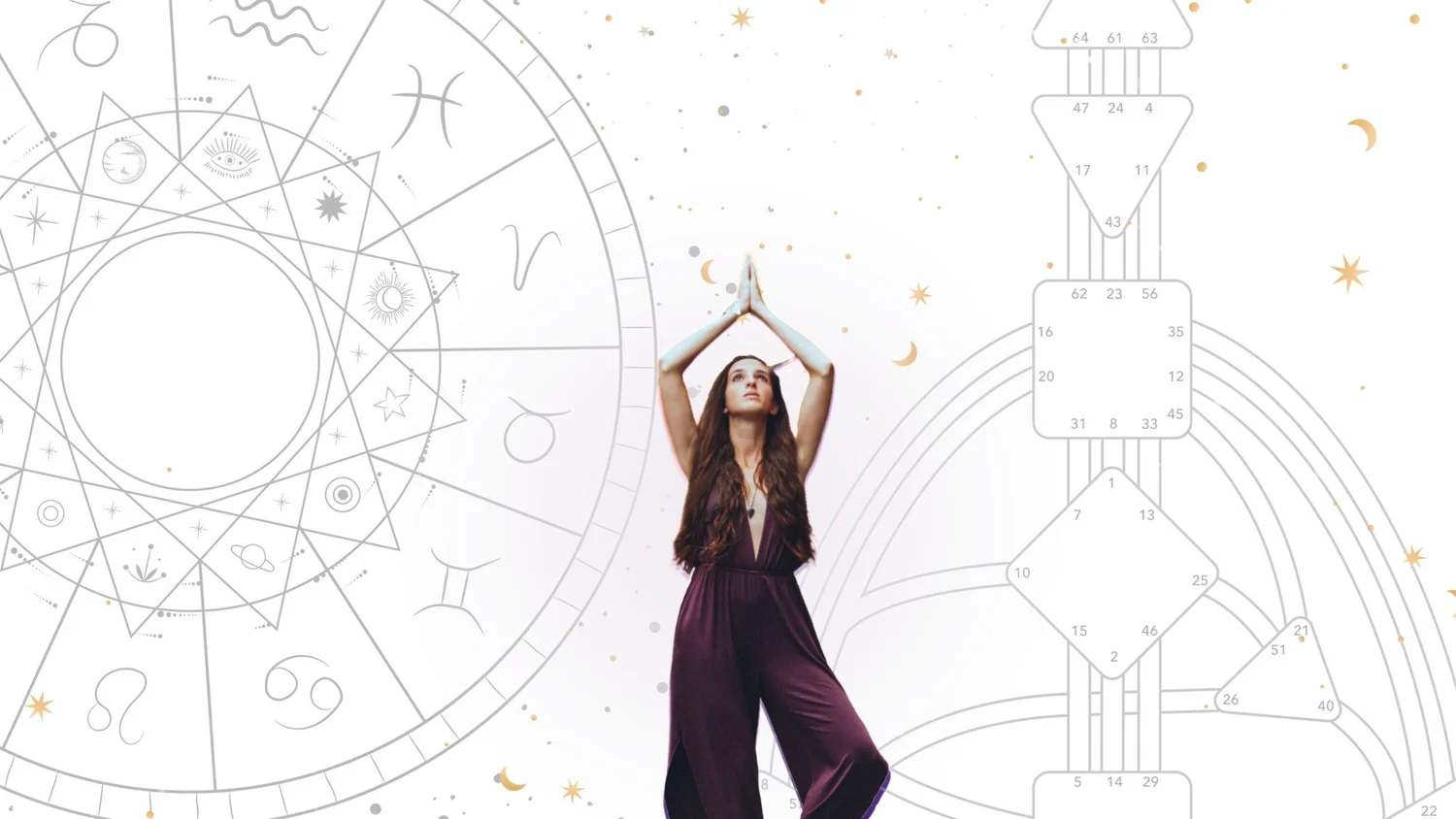
Choosing the right self-discovery tool can be a transformative decision. The Human Design Test and astrology are both intriguing options, each offering unique insights based on very different foundations and methodologies.
While the Human Design Test is rooted in modern analysis combining various traditions, astrology provides a celestial perspective on personality traits and life events based on ancient wisdom. Below, we explore the nuances of each to help you determine which might be better suited to your personal exploration journey.
Exploring Human Design Test: A Modern Approach to Personality Analysis
The Human Design Test merges aspects of I Ching, astrology, Kabbalah, and Chakra systems to create a bespoke personality map. This hybrid approach allows for a multi-dimensional analysis of an individual’s nature and potential human design test.


This system posits that everyone is born with a unique genetic design, which determines how they interact with the world. By understanding your design, you are better equipped to make decisions and live in a way that aligns with your intrinsic attributes.
To get started, simply find a reliable online platform offering Human Design Test readings. Enter your birth data for a comprehensive report that outlines your type, strategy, authority, and profile, among other aspects of your design.
Astrology Unveiled: How Celestial Bodies Influence Our Lives
Astrology operates on the principle that the positions and movements of celestial bodies at the time of our birth influence our lives, behaviors, and relationships. These cosmic alignments are believed to shape our personality traits and life pathways.
Experts in the field compile detailed birth charts, which provide insights on everything from emotional tendencies to potential career paths. The personalized nature of these charts makes astrology a widely popular self-discovery tool.
For those interested, it’s advisable to consult with a professional astrologer or utilize trustworthy websites to generate a natal chart. This detailed chart can serve as a guide to understanding various life phases and making informed decisions.
Comparing Methodologies: Accuracy and Insights in Human Design vs Astrology
When weighing Human Design against astrology, it’s important to consider the kind of insights each offers. Human Design is praised for its prescriptive nature, suggesting clear strategies for decision-making based on an individual’s type.
Astrology, on the other hand, offers a predictive angle, forecasting potential life events and emotional cycles. This can be invaluable for planning major life decisions or understanding personal dynamics astrology and life planning.
The choice between the two may come down to whether you prefer a tool that offers strategic personal guidance (Human Design) or one that provides insight into the timing and nature of life events (astrology).
Making Your Choice: Which Self-Discovery Tool Aligns With Your Needs
To decide between Human Design and astrology, reflect on what you seek from a self-discovery process. Are you looking for practical strategies related to decision making, or do you have a curiosity about how cosmic forces might be orchestrating your life?
Consider trial sessions or introductory reads for both systems. Many platforms offer free basic insights that can give you a taste of what each tool has to offer, helping you to feel out which resonates more deeply with your personal exploration goals.
Moreover, it’s worthwhile to engage with communities or forums where individuals share their experiences and outcomes with each system. Such real-life testimonials can provide further clarity on what to expect and how each tool has benefited others reviews on Human Design.
Ultimately, both Human Design and astrology offer valuable perspectives, and the choice between them should depend on your personal needs and what kind of guidance you are seeking. Whether you choose the genetic mappings of Human Design or the celestial insights of astrology, each has the potential to offer profound personal insights and transformative discoveries.